

Introduction
The bathroom vanity is more than just a place to brush your teeth—it anchors the room’s aesthetic, provides essential storage and hides plumbing. A thoughtfully designed vanity can make a small bathroom feel larger, lend character to an ensuite or unify a family bathroom with the rest of the home. With so many styles, materials and configurations on the market, how do you choose the right one? This long-form guide explores floating and freestanding vanities, innovative storage solutions, materials and countertops, colour trends and lighting ideas. It draws inspiration from contemporary design sources while offering practical advice tailored for South African homes. As you read, remember that Jonathan Wolfe Kitchens crafts bespoke bathroom vanities to fit any space. View examples and get in touch at https://jonathanwolfekitchens.co.za/contact/.
Understanding the Role of the Vanity
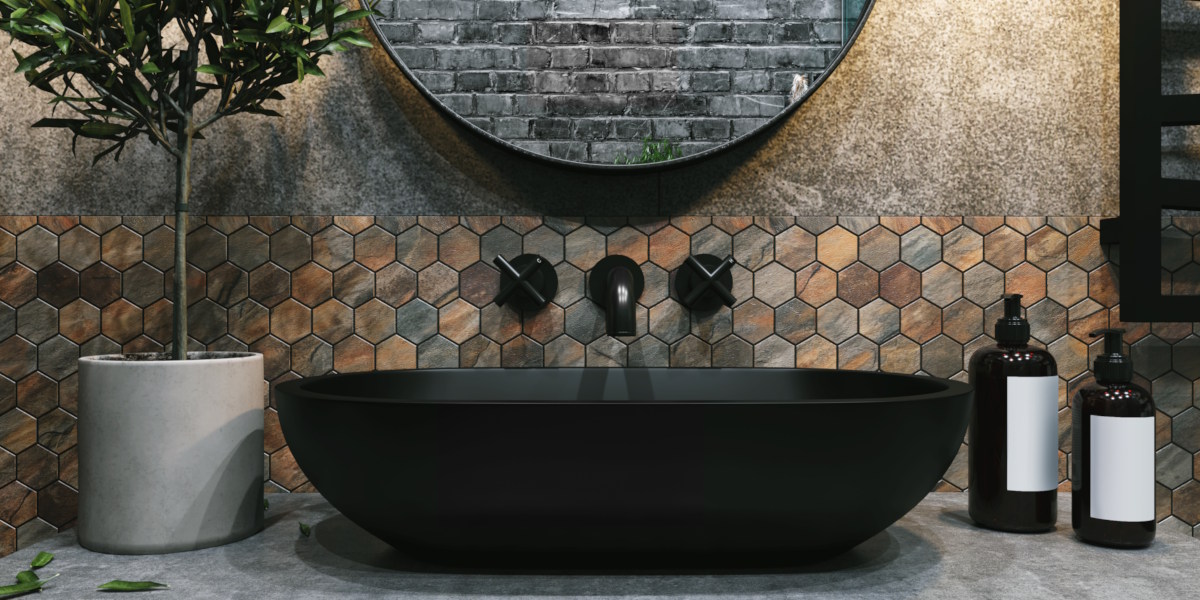
The vanity’s primary functions are to support a sink, conceal plumbing and provide storage for toiletries and cleaning supplies. It also contributes to the overall design scheme—its style, finish and hardware influence the room’s mood. In small bathrooms, choosing a vanity with a slim profile and clever storage can free up valuable floor space. In master suites, a larger vanity with double sinks allows two people to get ready simultaneously. Before selecting a specific design, think about who will use the bathroom, how much storage you need and whether you prefer an airy feel or a grounded, furniture-like piece. This initial assessment will guide your choice among floating, freestanding and other configurations.
Floating Vanities: Light, Airy and Modern
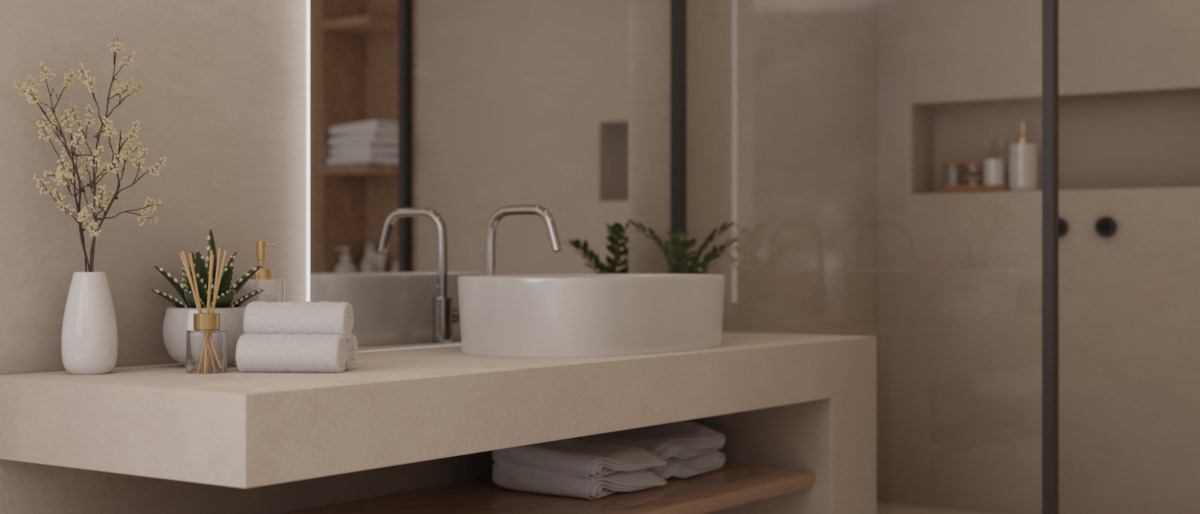
Floating (wall-mounted) vanities are attached directly to the wall with no visible support underneath, creating the illusion of a larger floor area. This style is popular in contemporary bathrooms and works particularly well in compact rooms because it makes the space feel more open. Lighting the underside of a floating vanity enhances the floating effect and lifts darker finishes. You can install LED strip lights beneath the cabinet to create a soft glow that doubles as a night-light. Floating vanities aren’t exclusively for ultra-modern spaces; a large floating double marble-topped vanity can look luxurious while still maintaining a light and airy feel.
Advantages of floating vanities
- Space perception: By freeing up floor area, floating vanities make small bathrooms appear larger. Being able to see more floor creates an uninterrupted visual line, which tricks the eye into perceiving more square footage.
- Ease of cleaning: With no base touching the floor, mopping and sweeping become easier. Dust and moisture have fewer places to collect.
- Customisable height: Since the vanity is wall-mounted, you can set its height to suit children, seniors or wheelchair users. This adaptability can make a bathroom more accessible.
- Modern aesthetic: Floating vanities pair well with sleek hardware, frameless mirrors and minimalistic décor. Choose a high-gloss finish for a contemporary look or wood veneer for warmth. For more design ideas, browse our bathroom vanity gallery at https://jonathanwolfekitchens.co.za/contact/.
Considerations: Floating units require sturdy wall support and professional installation. They may also offer less storage than floor-standing models, so plan additional shelving or cabinets if you need extra space.
Freestanding Vanities: Classic Charm and Storage
Freestanding vanities sit directly on the floor, often resembling a piece of furniture. They come in many styles—from farmhouse and traditional to sleek modern—and offer generous storage via drawers and cabinets. A petite powder room featuring a freestanding wood and marble sink/vanity can maximise space while adding warmth and charm. In larger bathrooms, freestanding vanities can include double sinks, countertop towers or hutch-style cabinets for towels.
Benefits of freestanding vanities
- Abundant storage: Floor-standing cabinets can accommodate deep drawers, pull-out shelves and built-in laundry hampers. This is ideal for families who need space for toiletries, cleaning supplies and spare towels.
- Design versatility: Freestanding vanities can mimic antique furniture for a vintage look or adopt clean lines and metal legs for a contemporary feel. They can be painted, stained or finished in high-gloss lacquer.
- Easy installation: Because they stand on the floor, freestanding units generally require less structural support. Plumbing modifications are straightforward, and you can often replace them without major wall repairs.
When selecting a freestanding vanity, ensure there is adequate clearance for doors and drawers to open without hitting walls or the toilet. For bespoke freestanding designs crafted from solid timber or moisture-resistant materials, contact Jonathan Wolfe Kitchens through our form at https://jonathanwolfekitchens.co.za/contact/.
Freestanding Vanities: Classic Charm and Storage
Freestanding vanities sit directly on the floor, often resembling a piece of furniture. They come in many styles—from farmhouse and traditional to sleek modern—and offer generous storage via drawers and cabinets. A petite powder room featuring a freestanding wood and marble sink/vanity can maximise space while adding warmth and charm. In larger bathrooms, freestanding vanities can include double sinks, countertop towers or hutch-style cabinets for towels.
Benefits of freestanding vanities
- Abundant storage: Floor-standing cabinets can accommodate deep drawers, pull-out shelves and built-in laundry hampers. This is ideal for families who need space for toiletries, cleaning supplies and spare towels.
- Design versatility: Freestanding vanities can mimic antique furniture for a vintage look or adopt clean lines and metal legs for a contemporary feel. They can be painted, stained or finished in high-gloss lacquer.
- Easy installation: Because they stand on the floor, freestanding units generally require less structural support. Plumbing modifications are straightforward, and you can often replace them without major wall repairs.
When selecting a freestanding vanity, ensure there is adequate clearance for doors and drawers to open without hitting walls or the toilet. For bespoke freestanding designs crafted from solid timber or moisture-resistant materials, contact Jonathan Wolfe Kitchens through our form at https://jonathanwolfekitchens.co.za/contact/.
Innovative Storage Solutions: Cubbies, Shelves and Twin Vanities
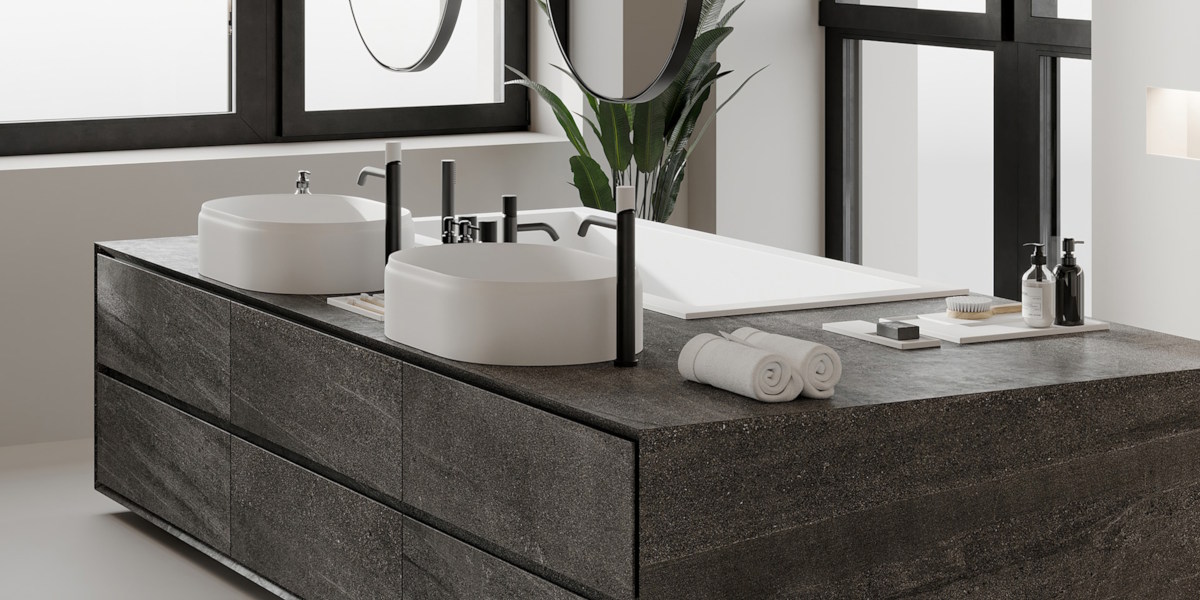
Smart storage is essential, especially in family bathrooms or guest suites. Built-in cubbies can hold rolled towels or baskets. Open shelving beneath the vanity keeps the design light while providing easy access to linens and toiletries. You can also incorporate shallow drawers for makeup and grooming tools, a pull-out waste bin, or a hidden electrical strip for hairdryers and electric shavers. Twin vanities are another clever solution; placing two vanities opposite each other allows couples to get ready at the same time and offers plenty of storage.
For smaller bathrooms, consider combining a floating vanity with a tall linen cabinet or installing mirrored medicine cabinets above a freestanding sink. These vertical storage solutions keep countertops uncluttered and can be customised to match your vanity’s finish. In larger spaces, a built-in bench between twin vanities provides seating and acts as a design feature. Our team can help you create tailored storage that blends seamlessly with your vanity—learn more at https://jonathanwolfekitchens.co.za/cupboards/.
Materials and Countertops: From Wood to Stone
Selecting the right materials for your vanity affects not only appearance but also durability and maintenance.
- Cabinet materials: Solid hardwood, such as oak or maple, offers natural warmth and long-lasting durability. Engineered wood or veneer-wrapped MDF (Medium-Density Fibreboard) provides a smooth finish and resists warping; it’s an excellent cost-effective alternative for painted or high-gloss vanities. Plyboard and water-resistant laminates are common in modern vanities, especially in high-humidity environments.
- Countertops: Natural stones like marble and granite exude luxury but require periodic sealing. Engineered quartz countertops combine durability and stain resistance with a wide variety of colours and patterns. Solid surfaces (e.g., Corian) offer seamless integration with an undermount sink and are easy to maintain. For a unique look, consider terrazzo, concrete or live-edge wood sealed for moisture protection.
When choosing materials, weigh factors such as moisture resistance, ease of cleaning and whether the finish complements other surfaces in your home. For instance, a white quartz top on a walnut vanity creates a crisp contrast, while a marble top with brass hardware evokes old-world elegance. Our designers can guide you through the choices and source sustainable materials that fit your budget and style.
Colours, Finishes and Hardware
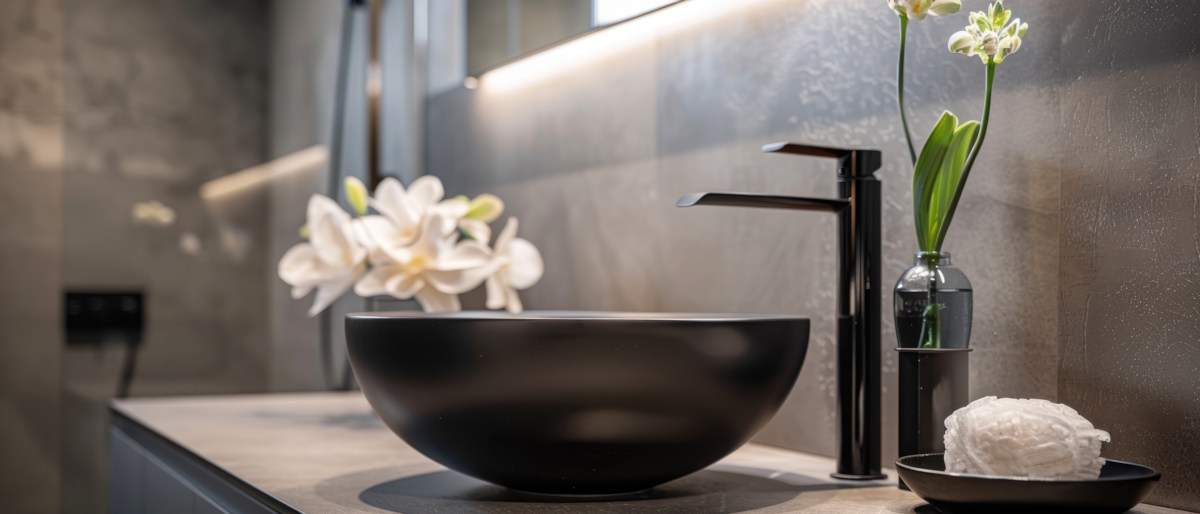
Colour and finish play a significant role in the overall mood of your bathroom. Bold colours can turn the vanity into a focal point, while neutral tones keep the space calm and timeless. A vanity painted deep forest green with a white quartz top, matte black fixtures and white walls can add a striking colour accent. Dark colours like navy or charcoal bring drama, while soft pastels evoke spa-like serenity. Natural wood finishes add warmth and pair well with matte black or brass hardware. Glossy lacquer reflects light and makes small spaces feel larger.
Hardware also influences the vanity’s style. Sleek bar handles suit contemporary floating vanities, while classic knobs or cup pulls complement traditional freestanding models. Mix metals thoughtfully—for example, matte black faucets with brass hardware create contrast. For a cohesive look, coordinate the vanity’s hardware with your lighting fixtures and towel rails. If you’re uncertain about which colour or finish is right for your space, explore our bathroom portfolio or consult our design team at https://jonathanwolfekitchens.co.za/contact/.
Lighting the Vanity
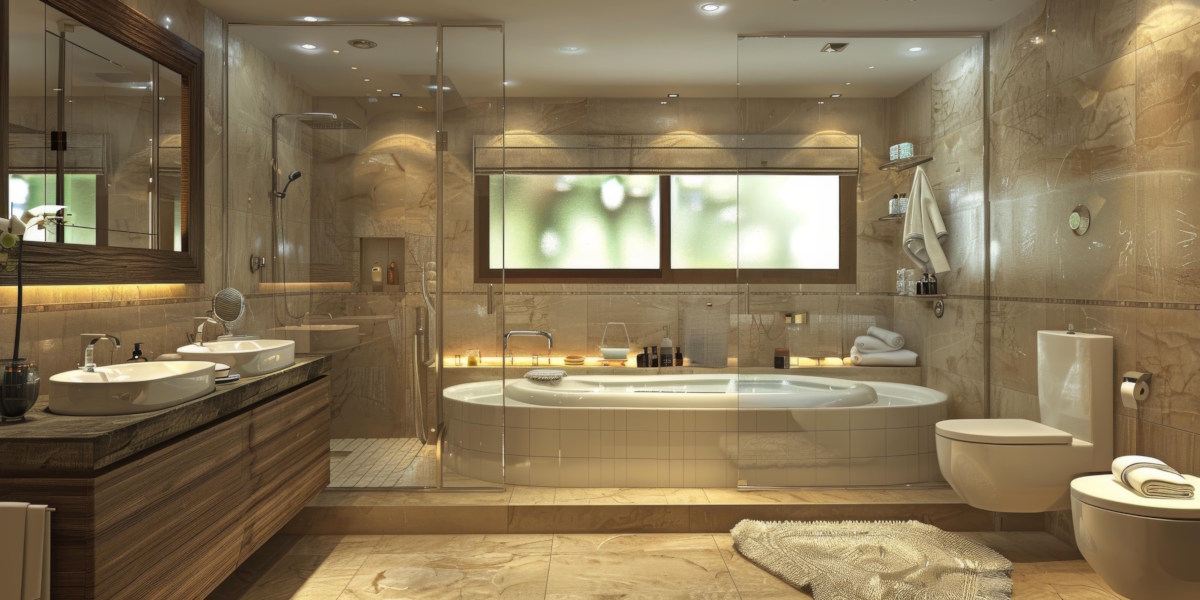
Good lighting makes daily routines like shaving or applying makeup easier and enhances the vanity’s design. Under-cabinet lighting beneath a floating vanity emphasises its levitating effect and brightens dark tones. Wall sconces mounted at eye level on either side of the mirror cast even light and reduce shadows. Overhead lighting, such as a pendant or chandelier, provides general illumination and can act as a statement piece. For functional tasks, choose LED bulbs with a colour temperature around 3 000 K (soft white) for a flattering glow. Install dimmer switches to adjust the ambience for different times of day—bright light for morning routines and softer light for relaxing baths.
Conclusion
A beautifully designed vanity can transform your bathroom from purely functional to a relaxing retreat. Whether you choose a floating model that gives the illusion of more space or a freestanding piece that offers abundant storage, your vanity should suit both your lifestyle and aesthetic preferences. Don’t forget the details: incorporate smart storage, choose durable materials and finishes, add appropriate lighting and personalise the piece with colours and hardware that reflect your taste.
When you’re ready to upgrade your bathroom, Jonathan Wolfe Kitchens can design, manufacture and install a bespoke vanity tailored to your space. To start your transformation, contact us via https://jonathanwolfekitchens.co.za/contact/ or explore our custom cabinetry options at https://jonathanwolfekitchens.co.za/cupboards/. Let’s create a bathroom that combines functionality, style and enduring quality.