

If you are planning a bedroom upgrade, one of the first questions you will probably ask is what built-in cupboards cost and why prices can vary so much from one quote to the next. That is a sensible place to start, because built-in wardrobes are not priced on size alone. The final cost usually depends on a combination of design, materials, internal layout, finishes, and the level of custom work needed for the installation.
For homeowners in Durban and across KZN, built-in cupboards are about more than simply adding storage. They can improve the look of the room, make daily routines easier, and help you use the available space far more efficiently. A well-designed wardrobe can turn an awkward bedroom wall into something practical and polished. A poorly planned one can leave you paying for features that do not really improve the room.
At Jonathan Wolfe Kitchens, custom storage is designed around the space itself and the way the homeowner lives. That matters because no two bedrooms are exactly the same, and no two households use storage in the same way either.
What Drives Built-In Cupboards Cost?
The biggest reason wardrobe prices differ is that custom cupboards are not one standard product. A simple fitted unit with basic shelves and hanging space is very different from a full-height, wall-to-wall bedroom wardrobe with drawers, mirrored doors, and detailed finishing. Even if two wardrobes appear similar at first glance, the work behind them may be very different.
Several factors usually affect the final cost:
- the size of the wardrobe
- the internal layout
- the material quality
- the door style and finish
- the amount of custom design involved
- the complexity of installation
That is why it is important to compare quotes carefully. The total price alone does not tell you much unless you understand what is included.
1. The Size of the Wardrobe
Size is one of the most obvious pricing factors. A larger wardrobe generally needs more board material, more doors, more fittings, and more labour to install. A full wall of fitted storage will usually cost more than a small two-door unit, simply because there is more to build.
Even so, size is not only about width. Height, depth, and the overall shape of the design also matter. A wardrobe that runs floor to ceiling may cost more than a lower unit because it needs extra materials and more finishing detail. A deeper cupboard can also raise the price if it needs stronger shelves or a more tailored internal layout.
This is why rough price-per-metre thinking can only take you so far. It may give you a starting point, but it does not reflect the actual complexity of the design.
2. The Internal Layout and Storage Features
The inside of the wardrobe often changes the cost more than homeowners expect. A cupboard with one rail and a few shelves is relatively simple. A wardrobe with drawers, dedicated shoe storage, double hanging sections, open shelving, and custom compartments requires more materials, more hardware, and more build time.
This is one of the areas where custom design adds real value. The goal is not just to fill the wall with cupboards. The goal is to create storage that suits the way you live. If you need more folded clothing space than hanging space, or you want drawers instead of fixed shelves, the design should reflect that.
Features that often increase price include:
- drawer units
- adjustable shelving
- pull-out baskets
- double hanging rails
- shoe storage
- dressing or mirror sections
Drawers are a good example. They are often more expensive than standard shelves because they require hardware, more precise fitting, and extra labour. They can be well worth the money, but they should be included because they improve daily use, not simply because they look impressive on paper.
3. The Material Used for the Cupboards
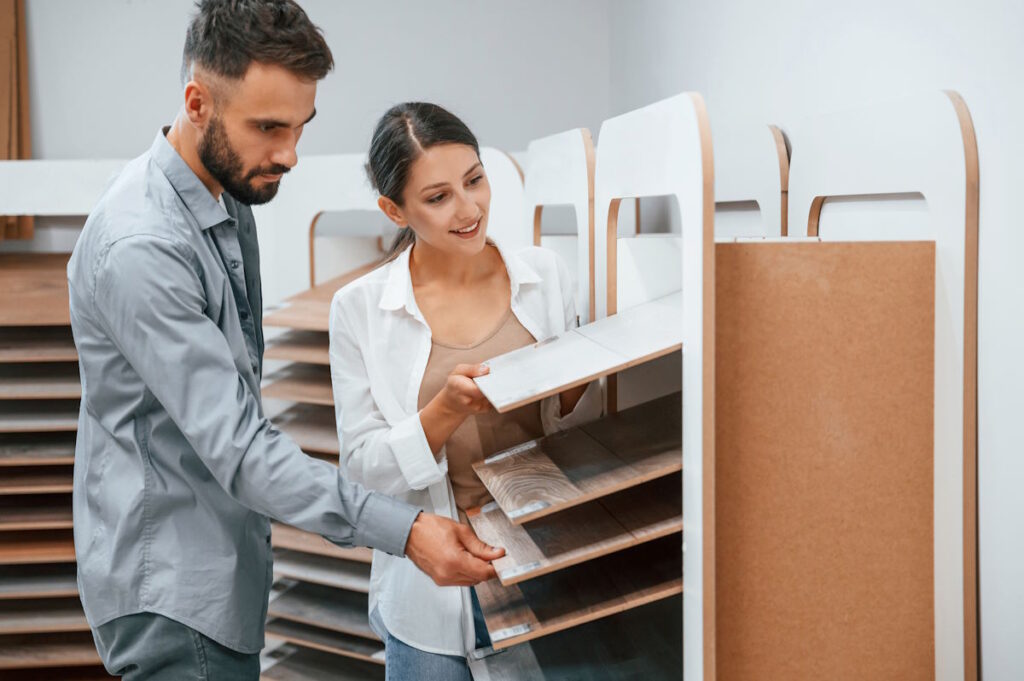
Material quality has a direct effect on both the price and the long-term performance of built-in cupboards. Not all boards and finishes are equal, and this is often where one quote differs significantly from another.
Higher-quality materials usually cost more upfront, but they often provide better durability, a cleaner finish, and better long-term value. In a busy household, that can make a meaningful difference. Lower-cost materials may reduce the initial quote, but they can also lead to earlier wear, weaker edges, or a less refined final look.
The material side of pricing usually includes the type of board, the thickness, the edging quality, the back panels, and the finish on both visible and internal surfaces. These details are easy to overlook when comparing quotes, but they matter a great deal. A well-made wardrobe should still look good and work properly years after installation.
4. The Door Style and Finish
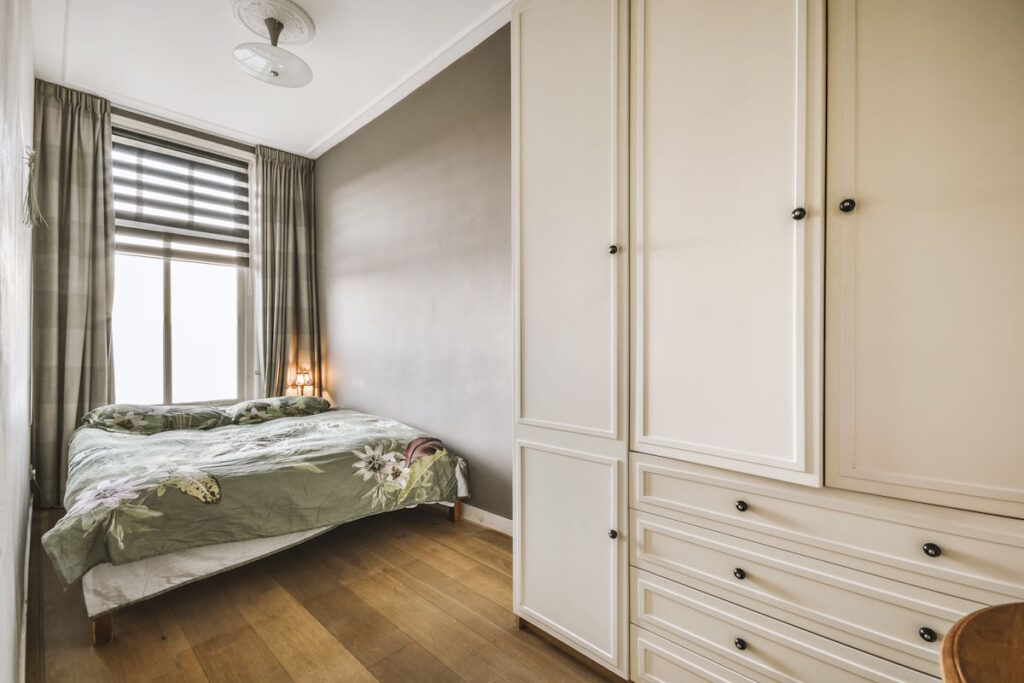
The wardrobe doors have a major influence on the final price because they shape the overall look of the room and often involve some of the most visible design work. Simple flat-panel doors are usually more budget-friendly than more decorative or specialised options.
The cost can rise depending on whether you choose sliding doors, hinged doors, mirrored fronts, spray-painted finishes, or more detailed profiles. Each of these options affects the materials, hardware, and labour required to complete the wardrobe.
Sliding doors, for example, may be a smart solution in a smaller bedroom where swing space is limited. Hinged doors may work better in a larger room where full access to the cupboard is important. The best choice is not always the most expensive one. It is the one that suits the room, the style of the home, and the way the wardrobe will be used.
5. How Custom the Design Is
Built-in cupboards cost more when they are tailored closely to the room instead of using a simple, standard layout. That extra cost usually reflects additional design time, more precise manufacturing, and a more detailed installation process.
A fully custom wardrobe may need to fit around awkward corners, unusual ceiling heights, windows, bulkheads, or existing architectural features. It may also include a dressing table, integrated shelving, or a mix of closed and open storage. These details can make the final result feel far more intentional and useful, especially in rooms that do not have a simple shape.
This is often where custom cabinetry proves its value. Rather than forcing the room to fit the cupboard, the design makes the cupboard fit the room properly. That can improve both the appearance of the space and how well it functions every day.

6. Installation Conditions and Site Complexity
The room itself can affect the final quote more than many people realise. Wardrobes are easier to install in straight, level rooms with clean access. If the walls are uneven, the floors slope slightly, or the space is awkward to work in, the installation may take longer and require more adjustment.
Older homes can sometimes add this kind of complexity. Existing skirtings, cornices, electrical points, or old cupboards may need to be worked around or removed before the new installation can begin. Even small issues like tight access into a room can add time to the job.
This does not mean the project is a problem. It simply means the quote needs to reflect the real conditions on site. Accurate measuring and proper planning are essential if you want the finished wardrobe to look neat and feel truly built in.
7. Hardware and Finishing Details
Hardware has a quiet but important effect on price. Hinges, drawer runners, handles, soft-close systems, and interior accessories may seem like small details, but together they can shift the quote quite a bit.
Premium hardware usually costs more because it improves both the feel and the durability of the wardrobe. Soft-close fittings, for example, can make everyday use smoother and quieter. Better drawer runners can also improve how well the wardrobe performs over time.
That said, not every upgrade is necessary in every room. The smartest approach is to choose hardware that matches how often the wardrobe will be used and how important that feature is to your routine. Good design is not about adding every possible extra. It is about choosing the right details for the space.
How to Compare Bedroom Wardrobe Quotes Properly
When you compare quotes, it helps to look beyond the final number. Two suppliers may both say they are offering built-in cupboards, but the actual product can be very different. One quote may include higher-grade materials, better hardware, more drawers, or a more detailed installation process than another.
It is worth checking exactly what has been allowed for in the price. Ask about the materials, internal layout, hardware quality, finishes, installation scope, and whether removal of old cupboards is included. The more detailed the quote, the easier it is to compare options fairly.
This is especially important if you are deciding between a basic fitted unit and a fully custom storage solution. Both may serve the same general purpose, but they may deliver very different results in terms of quality, appearance, and long-term value.

How to Keep Costs Under Control Without Losing Quality
Keeping costs under control does not always mean choosing the cheapest option. In most cases, it means making thoughtful decisions about where to invest and where to keep things simple.
A practical way to manage the budget is to focus first on the features that improve daily use. Good internal planning, sensible door choices, and reliable hardware often matter more than unnecessary extras. A wardrobe does not need to be overdesigned to feel premium. It simply needs to be well considered.
You can often manage the budget more effectively by simplifying the internal layout, limiting decorative upgrades, and using drawers only where they add real value. Clear planning at the start usually leads to better decisions and fewer costly changes later.
Conclusion
Understanding built-in cupboards cost becomes much easier once you know what sits behind the final price. Size, internal storage, materials, finishes, design complexity, and installation conditions all play a role in what a bedroom wardrobe will cost.
The best solution is not always the lowest quote. It is the option that gives you the strongest balance of function, finish quality, and long-term value for your home. Jonathan Wolfe Kitchens helps homeowners in Durban and KZN plan custom storage that suits both the room and the way they live. Explore the service at https://jonathanwolfekitchens.co.za/ or get in touch at https://jonathanwolfekitchens.co.za/contact/.
FAQ
How much do built-in cupboards cost for a bedroom?
Built-in cupboards cost can vary quite a lot because the final price depends on more than just the size of the unit. Materials, internal storage features, door style, finish quality, and the level of custom design all affect the quote.
What affects bedroom wardrobe pricing the most?
The biggest cost factors are usually the size of the wardrobe, the type of internal layout, the materials used, and whether the design is simple or highly customised. Installation conditions can also change the final price.
Are sliding wardrobes more expensive than hinged wardrobes?
They can be, depending on the door system and finish. Sliding doors use a different hardware setup and may cost more in some cases, especially if the design is more specialised.
Can I lower the cost of built-in cupboards without losing quality?
Yes. The best way is to keep the design practical, choose features you will actually use, and avoid paying for unnecessary extras. A well-planned layout often gives better value than a more complicated design.
Is a custom built-in wardrobe worth it?
In many cases, yes. A custom wardrobe can make better use of the room, improve storage, and create a cleaner overall finish. It is often a worthwhile investment when you want the space to work properly over the long term.