
Introduction
Lighting is one of the most underrated elements of kitchen design. The right lighting makes chopping vegetables safer, highlights beautiful cabinetry, sets the mood for dinner parties and can even impact your energy bills. Because kitchens serve many functions—cooking, homework, casual dining and socialising—you need more than a single overhead fixture.
A layered lighting approach combines ambient, task and accent lighting to create a functional and inviting space. This comprehensive kitchen lighting guide explains the role of each layer, offers practical tips on fixture selection and placement, and shows how lighting complements your kitchen’s layout and style. At Jonathan Wolfe Kitchens, we integrate lighting considerations into our bespoke designs, ensuring your kitchen is both beautiful and illuminated to perfection.
Why Kitchen Lighting Matters
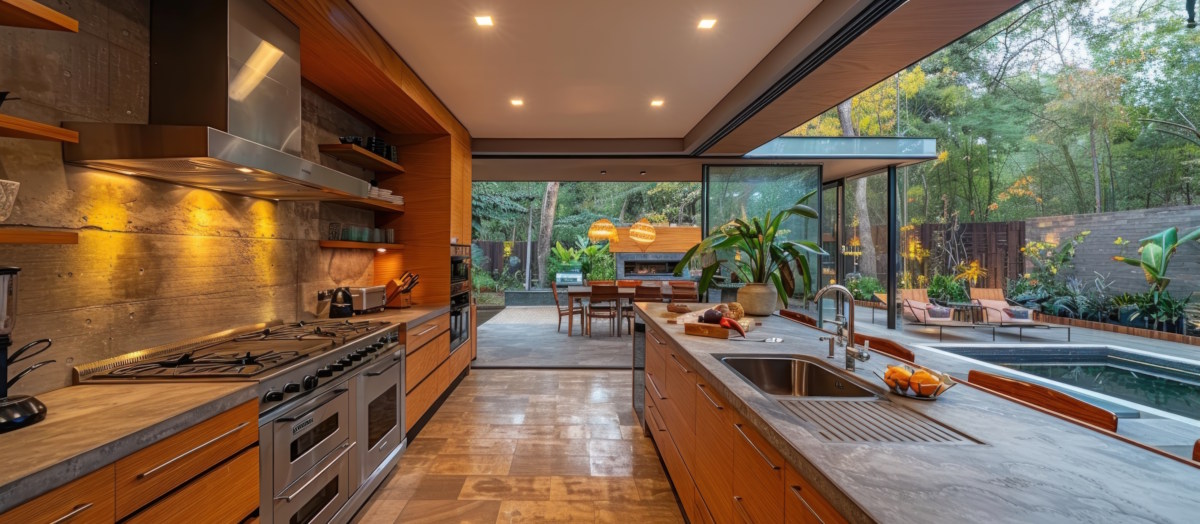
Kitchens are high-activity zones where good lighting enhances both safety and enjoyment. Insufficient light makes chopping and cooking risky, while harsh light can create glare or unwanted shadows. The right lighting setup balances brightness with warmth, creating a space where you can both focus and relax.
Lighting also shapes atmosphere. Warm ambient light makes family dinners feel inviting, while bright task lighting helps when you’re reading recipes or supervising homework at the island. Think about how your kitchen serves different roles throughout the day—early-morning breakfast prep, after-school homework, late-night tea—and how lighting can adapt.
When planning a remodel, it’s important to evaluate natural light sources like windows and skylights. Then, consider how cabinetry, tall appliances, and finishes may cast shadows. Smart planning ensures you avoid dark corners and have flexible circuits that let you control the mood depending on activity.
To see how lighting integrates seamlessly into bespoke cabinetry, explore our kitchens:
https://jonathanwolfekitchens.co.za/kitchens/
Ambient Lighting: Setting the Mood
Ambient lighting is the foundation of your kitchen’s illumination. It ensures the whole space is bright enough for safe movement and sets the general tone. Think of it as the “background light” that makes the room comfortable and usable.
In most kitchens, ambient light comes from ceiling-mounted fixtures such as recessed downlights, flush mounts, or LED panels. But wall sconces, pendants and natural light also contribute.
Tips for effective ambient lighting:
- Even distribution: Position downlights evenly to eliminate shadows. Place them about 1.2–1.5 m apart, depending on ceiling height.
- Use dimmers: Dimmers allow you to shift brightness from task-ready to relaxed dining mode.
- Ceiling height matters: Higher ceilings require fixtures that direct light downwards; vaulted ceilings may benefit from pendant clusters.
- Layer with natural light: Treat windows and skylights as part of your ambient plan. During the day, maximise daylight; at night, rely on dimmable fixtures.
A thoughtful ambient layer ensures the kitchen feels open and inviting—an essential first step before layering in task and accent lighting.
Task Lighting: Focus on Function
If ambient lighting is about setting the mood, task lighting is about getting work done. It directly illuminates work zones like countertops, sinks, cooktops and islands.
Key task lighting solutions:
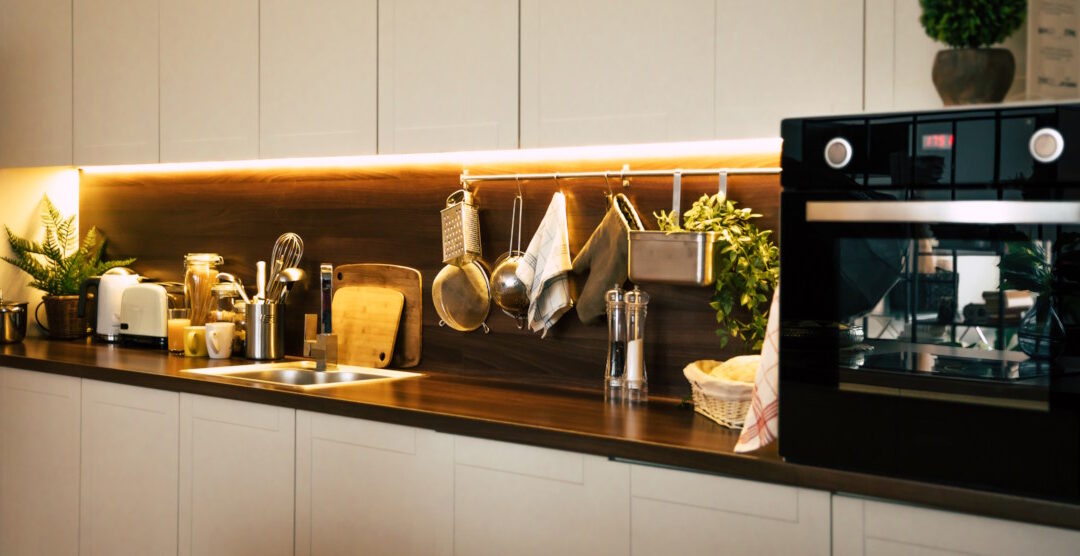
- Under-cabinet lights: LED strips or puck lights beneath cabinets brighten counters, eliminating shadows.
- Pendant lights: Hung above islands or peninsulas, pendants focus light exactly where needed for food prep or dining.
- Recessed spotlights: Angled downlights above the sink or hob give concentrated illumination.
- Track lighting: Adjustable heads can highlight different work surfaces.
- Integrated fixtures: Range hoods or open shelves often come with built-in lights for additional utility.
Design tips for task lighting:
- Choose cooler colour temperatures (3 500–4 500 K) to keep you alert while chopping and cooking.
- Separate switches let you use task lighting independently of ambient.
- Ensure lights are placed in front of, not behind, the user to avoid casting shadows on worktops.
For help planning functional lighting zones in your renovation, explore Jonathan Wolfe Kitchens bespoke designs:
https://jonathanwolfekitchens.co.za/kitchens/
Accent Lighting: Adding Depth and Drama
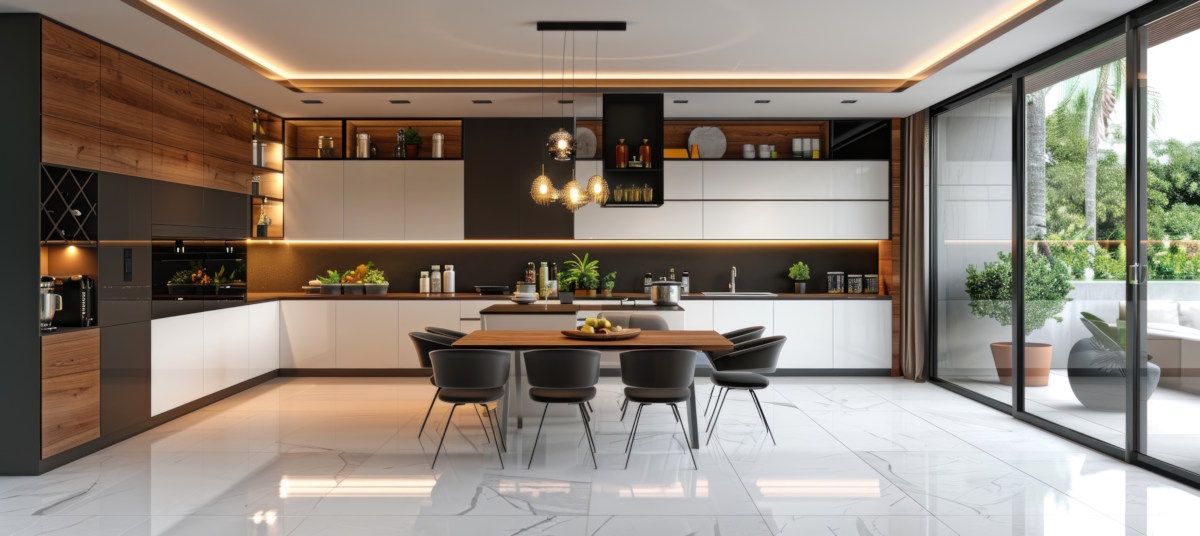
Accent lighting introduces a decorative layer, highlighting specific features or adding mood. While ambient and task lighting make your kitchen practical, accent lighting makes it memorable.
Popular accent lighting ideas:
- Cabinet interior lights: Glass-front cabinets with LED strips showcase glassware or collectibles.
- Toe-kick lighting: LED strips at the base of cabinetry add a soft floor glow, great for night use.
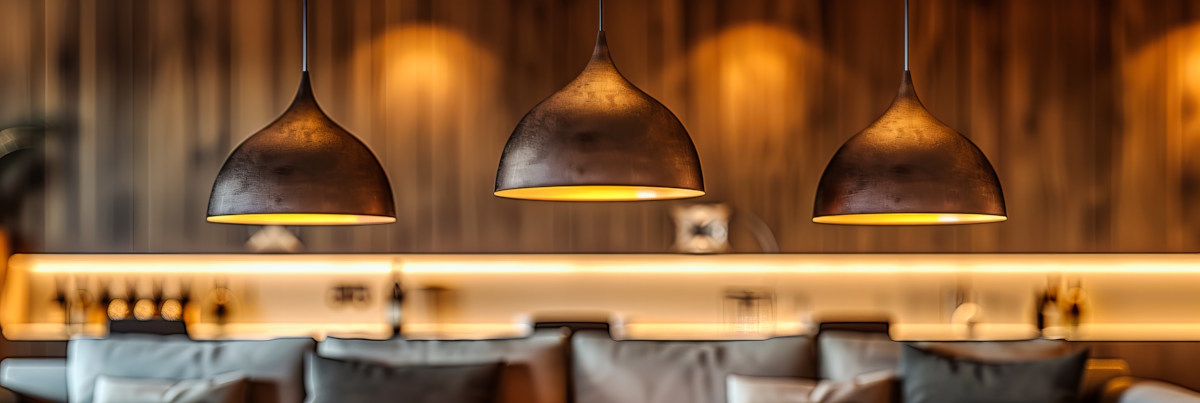
- Statement pendants: Sculptural pendants over islands double as accent and task lights.
- Cove lighting: Concealed LEDs in ceiling recesses or above cabinetry wash walls in soft light.
- Backlit splashbacks: Lighting behind textured or glass splashbacks creates a striking focal point.
Accent lights should be controlled separately. Switch them on for entertaining, or off when only practical illumination is needed.
Layering Your Lights for a Balanced Kitchen
The best-lit kitchens combine all three layers—ambient, task and accent—into a versatile system.
How to layer successfully:
- Plan circuits smartly: Keep each lighting type on its own switch or dimmer.
- Consider scenes: Create pre-set combinations—for example, “Cooking Mode” (bright task + ambient) and “Dinner Mode” (dimmed ambient + accent).
- Blend colour temperatures: Warm light (2 700–3 000 K) for ambience; cool light (3 500–4 500 K) for tasks.
- Cohesive style: Match finishes and forms so pendants, downlights and strips feel unified.
- Test before finalising: At night, test brightness, shadows, and reflections to ensure balance.
Layering turns your kitchen from purely functional into a space that adapts seamlessly to your lifestyle.
Choosing Fixtures and Bulbs
Fixtures are not just about looks—they determine the quality of light, efficiency and maintenance.
Considerations when choosing:
- Energy efficiency: LEDs save money and last 10–20 times longer than incandescent bulbs.
- CRI (Colour Rendering Index): Choose bulbs with CRI 90+ so food and finishes look natural.
- Style and finish: Coordinate fixture metals with taps and cabinet hardware for a cohesive look.
- Size and scale: Match fixture size to your space—large pendants suit big islands, while slim fixtures work in compact kitchens.
- Smart controls: App-based or voice-activated controls allow scheduling, dimming and colour adjustments.
With the right combination, fixtures become design elements in their own right.
Natural Light and Energy Efficiency
Never underestimate natural light. Positioning sinks beneath windows or enlarging openings can dramatically improve ambience. Skylights are a fantastic way to brighten dark kitchens, especially in open-plan homes.
Pair natural light with reflective surfaces—like glossy tiles, polished stone or light cabinetry—that bounce daylight deeper into the room. Use window treatments that allow control without blocking illumination.
Energy efficiency goes hand in hand with smart planning. LEDs consume less energy and produce less heat, reducing the need for ventilation. Combining natural and artificial lighting reduces electricity bills while enhancing comfort.
Conclusion
Lighting is more than just illumination—it’s a design element that defines your kitchen’s atmosphere, safety and efficiency. By combining ambient, task and accent lighting, choosing the right fixtures and maximising natural light, you can create a kitchen that is not only functional but also beautiful.
At Jonathan Wolfe Kitchens, we design kitchens where cabinetry, appliances and lighting work together seamlessly. From consultation to installation, we ensure your lighting plan enhances both the look and feel of your space.
Explore our bespoke kitchen solutions: https://jonathanwolfekitchens.co.za/kitchens/
Book a consultation with our team: https://jonathanwolfekitchens.co.za/contact/