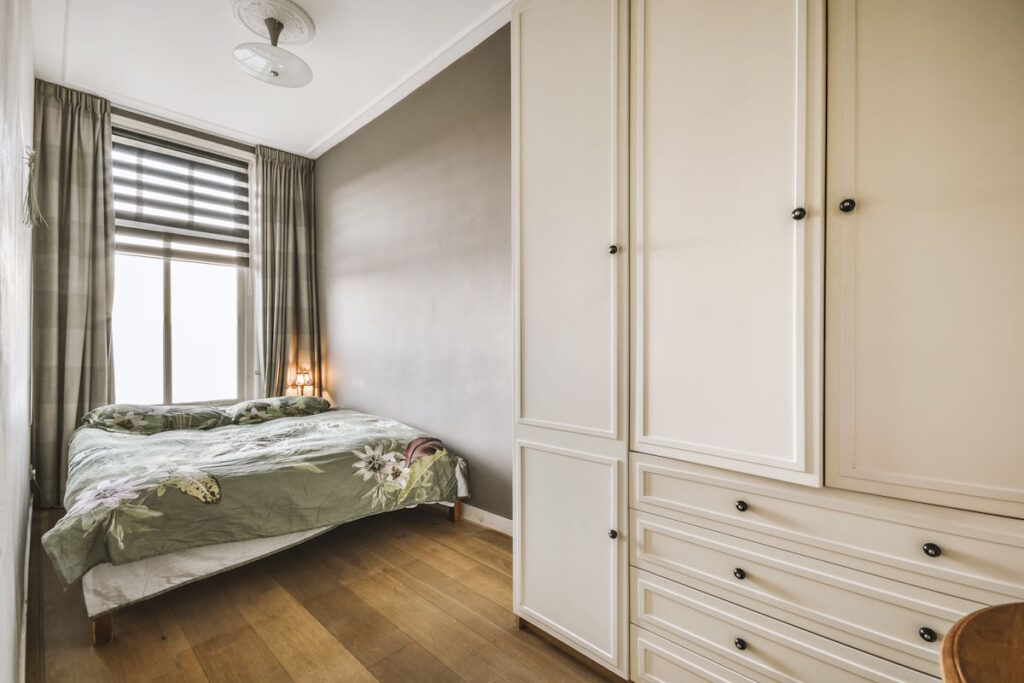
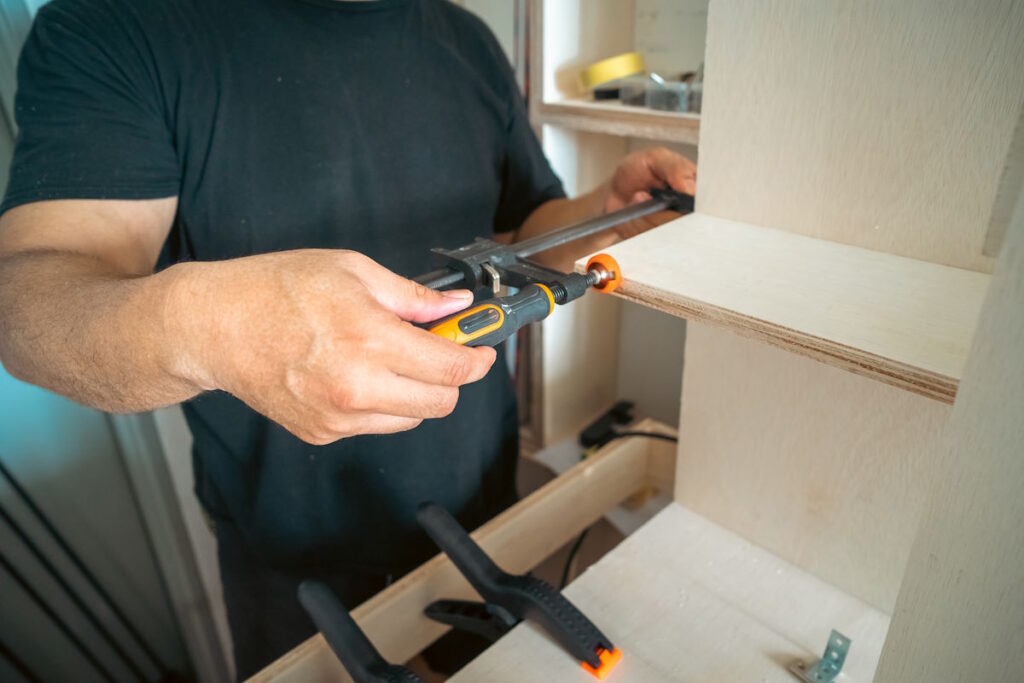
If you are planning a bedroom upgrade, one of the first questions you will probably ask is what built-in cupboards cost and why prices can vary so much from one quote to the next. That is a sensible place to start, because built-in wardrobes are not priced on size alone. The final cost usually depends on a combination of design, materials, internal layout, finishes, and the level of custom work needed for the installation.
For homeowners in Durban and across KZN, built-in cupboards are about more than simply adding storage. They can improve the look of the room, make daily routines easier, and help you use the available space far more efficiently. A well-designed wardrobe can turn an awkward bedroom wall into something practical and polished. A poorly planned one can leave you paying for features that do not really improve the room.
At Jonathan Wolfe Kitchens, custom storage is designed around the space itself and the way the homeowner lives. That matters because no two bedrooms are exactly the same, and no two households use storage in the same way either.
What Drives Built-In Cupboards Cost?
The biggest reason wardrobe prices differ is that custom cupboards are not one standard product. A simple fitted unit with basic shelves and hanging space is very different from a full-height, wall-to-wall bedroom wardrobe with drawers, mirrored doors, and detailed finishing. Even if two wardrobes appear similar at first glance, the work behind them may be very different.
Several factors usually affect the final cost:
the size of the wardrobe
the internal layout
the material quality
the door style and finish
the amount of custom design involved
the complexity of installation
That is why it is important to compare quotes carefully. The total price alone does not tell you much unless you understand what is included.
1. The Size of the Wardrobe
Size is one of the most obvious pricing factors. A larger wardrobe generally needs more board material, more doors, more fittings, and more labour to install. A full wall of fitted storage will usually cost more than a small two-door unit, simply because there is more to build.
Even so, size is not only about width. Height, depth, and the overall shape of the design also matter. A wardrobe that runs floor to ceiling may cost more than a lower unit because it needs extra materials and more finishing detail. A deeper cupboard can also raise the price if it needs stronger shelves or a more tailored internal layout.
This is why rough price-per-metre thinking can only take you so far. It may give you a starting point, but it does not reflect the actual complexity of the design.
2. The Internal Layout and Storage Features
The inside of the wardrobe often changes the cost more than homeowners expect. A cupboard with one rail and a few shelves is relatively simple. A wardrobe with drawers, dedicated shoe storage, double hanging sections, open shelving, and custom compartments requires more materials, more hardware, and more build time.
This is one of the areas where custom design adds real value. The goal is not just to fill the wall with cupboards. The goal is to create storage that suits the way you live. If you need more folded clothing space than hanging space, or you want drawers instead of fixed shelves, the design should reflect that.
Features that often increase price include:
drawer units
adjustable shelving
pull-out baskets
double hanging rails
shoe storage
dressing or mirror sections
Drawers are a good example. They are often more expensive than standard shelves because they require hardware, more precise fitting, and extra labour. They can be well worth the money, but they should be included because they improve daily use, not simply because they look impressive on paper.
3. The Material Used for the Cupboards
Material quality has a direct effect on both the price and the long-term performance of built-in cupboards. Not all boards and finishes are equal, and this is often where one quote differs significantly from another.
Higher-quality materials usually cost more upfront, but they often provide better durability, a cleaner finish, and better long-term value. In a busy household, that can make a meaningful difference. Lower-cost materials may reduce the initial quote, but they can also lead to earlier wear, weaker edges, or a less refined final look.
The material side of pricing usually includes the type of board, the thickness, the edging quality, the back panels, and the finish on both visible and internal surfaces. These details are easy to overlook when comparing quotes, but they matter a great deal. A well-made wardrobe should still look good and work properly years after installation.
4. The Door Style and Finish
The wardrobe doors have a major influence on the final price because they shape the overall look of the room and often involve some of the most visible design work. Simple flat-panel doors are usually more budget-friendly than more decorative or specialised options.
The cost can rise depending on whether you choose sliding doors, hinged doors, mirrored fronts, spray-painted finishes, or more detailed profiles. Each of these options affects the materials, hardware, and labour required to complete the wardrobe.
Sliding doors, for example, may be a smart solution in a smaller bedroom where swing space is limited. Hinged doors may work better in a larger room where full access to the cupboard is important. The best choice is not always the most expensive one. It is the one that suits the room, the style of the home, and the way the wardrobe will be used.
5. How Custom the Design Is
Built-in cupboards cost more when they are tailored closely to the room instead of using a simple, standard layout. That extra cost usually reflects additional design time, more precise manufacturing, and a more detailed installation process.
A fully custom wardrobe may need to fit around awkward corners, unusual ceiling heights, windows, bulkheads, or existing architectural features. It may also include a dressing table, integrated shelving, or a mix of closed and open storage. These details can make the final result feel far more intentional and useful, especially in rooms that do not have a simple shape.
This is often where custom cabinetry proves its value. Rather than forcing the room to fit the cupboard, the design makes the cupboard fit the room properly. That can improve both the appearance of the space and how well it functions every day.
6. Installation Conditions and Site Complexity
The room itself can affect the final quote more than many people realise. Wardrobes are easier to install in straight, level rooms with clean access. If the walls are uneven, the floors slope slightly, or the space is awkward to work in, the installation may take longer and require more adjustment.
Older homes can sometimes add this kind of complexity. Existing skirtings, cornices, electrical points, or old cupboards may need to be worked around or removed before the new installation can begin. Even small issues like tight access into a room can add time to the job.
This does not mean the project is a problem. It simply means the quote needs to reflect the real conditions on site. Accurate measuring and proper planning are essential if you want the finished wardrobe to look neat and feel truly built in.
7. Hardware and Finishing Details
Hardware has a quiet but important effect on price. Hinges, drawer runners, handles, soft-close systems, and interior accessories may seem like small details, but together they can shift the quote quite a bit.
Premium hardware usually costs more because it improves both the feel and the durability of the wardrobe. Soft-close fittings, for example, can make everyday use smoother and quieter. Better drawer runners can also improve how well the wardrobe performs over time.
That said, not every upgrade is necessary in every room. The smartest approach is to choose hardware that matches how often the wardrobe will be used and how important that feature is to your routine. Good design is not about adding every possible extra. It is about choosing the right details for the space.
How to Compare Bedroom Wardrobe Quotes Properly
When you compare quotes, it helps to look beyond the final number. Two suppliers may both say they are offering built-in cupboards, but the actual product can be very different. One quote may include higher-grade materials, better hardware, more drawers, or a more detailed installation process than another.
It is worth checking exactly what has been allowed for in the price. Ask about the materials, internal layout, hardware quality, finishes, installation scope, and whether removal of old cupboards is included. The more detailed the quote, the easier it is to compare options fairly.
This is especially important if you are deciding between a basic fitted unit and a fully custom storage solution. Both may serve the same general purpose, but they may deliver very different results in terms of quality, appearance, and long-term value.
How to Keep Costs Under Control Without Losing Quality
Keeping costs under control does not always mean choosing the cheapest option. In most cases, it means making thoughtful decisions about where to invest and where to keep things simple.
A practical way to manage the budget is to focus first on the features that improve daily use. Good internal planning, sensible door choices, and reliable hardware often matter more than unnecessary extras. A wardrobe does not need to be overdesigned to feel premium. It simply needs to be well considered.
You can often manage the budget more effectively by simplifying the internal layout, limiting decorative upgrades, and using drawers only where they add real value. Clear planning at the start usually leads to better decisions and fewer costly changes later.
Conclusion
Understanding built-in cupboards cost becomes much easier once you know what sits behind the final price. Size, internal storage, materials, finishes, design complexity, and installation conditions all play a role in what a bedroom wardrobe will cost.
The best solution is not always the lowest quote. It is the option that gives you the strongest balance of function, finish quality, and long-term value for your home. Jonathan Wolfe Kitchens helps homeowners in Durban and KZN plan custom storage that suits both the room and the way they live. Explore the service at https://jonathanwolfekitchens.co.za/ or get in touch at https://jonathanwolfekitchens.co.za/contact/.
FAQ
How much do built-in cupboards cost for a bedroom?
Built-in cupboards cost can vary quite a lot because the final price depends on more than just the size of the unit. Materials, internal storage features, door style, finish quality, and the level of custom design all affect the quote.
What affects bedroom wardrobe pricing the most?
The biggest cost factors are usually the size of the wardrobe, the type of internal layout, the materials used, and whether the design is simple or highly customised. Installation conditions can also change the final price.
Are sliding wardrobes more expensive than hinged wardrobes?
They can be, depending on the door system and finish. Sliding doors use a different hardware setup and may cost more in some cases, especially if the design is more specialised.
Can I lower the cost of built-in cupboards without losing quality?
Yes. The best way is to keep the design practical, choose features you will actually use, and avoid paying for unnecessary extras. A well-planned layout often gives better value than a more complicated design.
Is a custom built-in wardrobe worth it?
In many cases, yes. A custom wardrobe can make better use of the room, improve storage, and create a cleaner overall finish. It is often a worthwhile investment when you want the space to work properly over the long term.
It is easy to get excited about colours, cabinet doors, worktops, and tapware. Those choices are the visible part of the project, so they often get the most attention first. But many of the most expensive kitchen renovation mistakes happen long before finishes are chosen.
For homeowners in Durban and across KZN, good kitchen planning starts with function. If the layout is awkward, the storage is poorly planned, or the services are in the wrong place, even beautiful finishes will not fix the underlying problem. A kitchen can look polished and still feel frustrating to use every day.
That is why the best approach is to solve the practical issues first. Once the layout, storage, lighting, and appliance plan are right, finishes become much easier to choose with confidence. At Jonathan Wolfe Kitchens, this planning stage is where a lot of long-term value is created.
Why Planning Matters More Than Finishes
Before you choose paint colours or stone samples, you need a kitchen that works properly. Good planning protects your budget and helps you avoid design choices you may regret later.
A kitchen renovation usually affects more than the cabinetry alone. It can involve plumbing, electrical points, appliance placement, lighting, traffic flow, and storage access. If those pieces are handled too late, the project becomes more stressful and more expensive.
Common consequences of poor early planning include:
A kitchen that looks good but feels cramped
Not enough drawer or pantry storage
Appliances that do not fit properly
Plug points in the wrong places
Poor lighting over prep areas
Costly changes after work has already started
The finish choices should support the design, not lead it. When finishes are chosen too early, homeowners sometimes build the whole kitchen around a look instead of around how the space needs to perform.
1. Choosing Finishes Before Finalising the Layout
This is one of the biggest kitchen renovation mistakes. Many homeowners start by choosing cabinet colours, worktops, or splashbacks before the layout is fully resolved.
The problem is simple. If the layout changes later, the finish decisions may no longer make sense. A worktop edge detail, island overhang, or cabinet style that looked right in one plan may not suit the final one.
Before choosing finishes, confirm:
The position of the sink
The position of the hob or cooker
The main prep area
The location of tall units
Island size and walkway widths
Fridge and appliance placement
Once those decisions are locked in, finish choices become far easier and more practical.
2. Ignoring How the Kitchen Will Actually Be Used
A kitchen should reflect the household that uses it. A family that cooks daily needs something different from a couple who entertain often or a homeowner who wants low-maintenance surfaces.
This is where style can distract from function. Open shelving may look attractive, but it does not suit every home. A large island may feel impressive, but it can make the room harder to move through if space is tight.
Ask practical questions early:
Who cooks most often?
How many people use the kitchen at once?
Do you need space for children to do homework or sit nearby?
Do you buy groceries in bulk?
Do you want hidden storage or display space?
Which appliances do you use every day?
A custom kitchen should solve daily problems, not create new ones.
Did You Know?
Many homeowners regret not including enough drawers. Deep drawers are often more practical than lower cupboards because they make pots, pans, and pantry items easier to reach and organise.
3. Underestimating Storage Needs
Storage mistakes can make a new kitchen feel old very quickly. If the renovation does not account for real household needs, clutter appears almost immediately.
People often focus on how the kitchen will look in photos, but not on where everything will live once the project is complete. That is when small planning gaps become daily frustrations.
Important storage areas to think through include:
Food storage
Pots and pans
Small appliances
Cleaning products
Bins and recycling
Lunch boxes and water bottles
Serving dishes
Cutlery and utensils
A well-designed kitchen does not always need more cabinets. It needs smarter storage. This is one of the reasons custom planning matters so much. The goal is to make the available space work harder.
4. Forgetting About Lighting Early On
Lighting is often treated as a finishing touch, but it should be part of the early design conversation. This is especially true if you are changing the room layout.
A kitchen needs more than one type of light. General room lighting is important, but task lighting matters just as much. Prep zones, sink areas, and cooking surfaces all need clear light to be safe and comfortable.
Poor lighting planning can lead to:
Dark work areas
Shadows falling across the counters
Feature lights in the wrong spots
Too few plug points for small appliances
Extra electrical changes late in the project
If lighting is considered early, it can support both the design and the practical use of the room. It also helps finishes look better because the colour and texture of materials will be seen properly in the actual space.
5. Not Setting a Realistic Budget Before Selecting Materials
Finishes can move the budget very quickly. Stone worktops, painted cabinetry, feature lighting, premium handles, and custom details all add up. That is why budget planning needs to happen before material selections begin.
Without a clear budget, homeowners can spend too much on visible items and leave too little for the essentials underneath. The result is often compromise in the areas that matter most, such as cabinet quality, hardware, or installation.
A useful budgeting approach is to separate decisions into three groups:
Must-haves
Nice-to-haves
Upgrade items if budget allows
This makes it easier to protect the core function of the kitchen while still creating a strong final look. If you are in the early stages of comparing ideas, the team at Jonathan Wolfe Kitchens can help you weigh design priorities against budget realities.
6. Overlooking Plumbing and Electrical Constraints
A beautiful finish scheme will not fix badly placed plumbing or awkward electrical points. These practical items shape what is possible in the design, so they need to be reviewed from the start.
Moving a sink, dishwasher, or oven often affects both cost and complexity. Sometimes it is worth doing. Sometimes it is better to work with the current service points and spend the budget elsewhere.
Before finishes are chosen, check:
Where the plumbing currently runs
Where the main power points are
Whether the extractor position works
What lighting circuits are needed
Whether appliance loads have been considered
Whether new sockets are needed for countertop appliances
These details are not glamorous, but they have a huge effect on how smoothly the project runs.
7. Choosing Trendy Looks Without Thinking Long Term
Trends can be useful for inspiration, but they should not drive every decision. A kitchen is a major investment, and most homeowners want it to age well.
This does not mean the design needs to be plain. It means the core choices should have staying power. Strong layouts, durable materials, and practical storage usually outlast short-term trends.
A balanced approach often works best:
Keep permanent elements timeless
Use colour in easier-to-change areas
Choose finishes that suit the rest of the home
Think about cleaning and maintenance
Avoid copying a showroom look without adapting it to your room
For surface inspiration and durability research, Caesarstone South Africa is one example of a useful reference when comparing worktop options.
8. Skipping Professional Design Input
Many renovation problems begin with assumptions. A room may seem simple until measurements, door swings, appliance clearances, and service points are all considered together.
Professional input helps catch issues before they become expensive changes. It also helps homeowners see better options they may not have considered on their own.
A design-led process can help with:
Space planning
Storage solutions
Material selection
Traffic flow
Appliance integration
Balancing style and budget
This is especially valuable in older Durban homes, where walls, floors, and existing service positions may add complexity. A tailored design process helps avoid surprises and leads to a result that feels intentional rather than patched together.
What to Do Before You Choose Finishes
If you want the finish stage to feel exciting instead of stressful, handle the practical groundwork first.
A strong pre-finish checklist includes:
Finalise the kitchen layout
Confirm appliance sizes
Review storage needs in detail
Plan plumbing and electrical changes
Set a realistic budget range
Decide where to spend and where to save
Review lighting requirements
Get expert design input before ordering materials
Once these items are clear, finish selections become easier because they are supporting a plan that already works.
Conclusion
The most costly kitchen renovation mistakes usually happen before cabinet colours, worktops, or handles are even chosen. When homeowners rush into finishes too early, they risk layout problems, poor storage, awkward lighting, and budget pressure later in the project.
The better solution is to start with planning. A kitchen that is designed around daily use, proper measurements, realistic costs, and professional guidance will almost always deliver a better result. Jonathan Wolfe Kitchens helps homeowners in Durban and KZN make those decisions in the right order, so the finished kitchen looks good and works beautifully. Explore the service at https://jonathanwolfekitchens.co.za/ or start the conversation at https://jonathanwolfekitchens.co.za/contact/.
FAQ Section
What are the most common kitchen renovation mistakes?
The most common mistakes include choosing finishes too early, ignoring layout flow, underestimating storage, forgetting lighting, and failing to plan around plumbing and electrical points.
Should I choose kitchen finishes before the layout is final?
No. The layout should come first. Once the space plan and appliance positions are confirmed, finish choices become more practical and easier to get right.
How do I avoid overspending on a kitchen renovation?
Set a clear budget before selecting materials, separate must-haves from upgrades, and get expert guidance on where your spend will make the biggest difference.
Why is storage planning so important in a new kitchen?
Good storage helps the kitchen stay organised and easy to use. Without it, clutter builds up quickly and the room can feel less functional.
Is professional kitchen design worth it?
Yes. Professional design helps prevent expensive mistakes, improves flow, and creates a better fit between your space, your needs, and your budget.
If you are planning a renovation, understanding the custom kitchen price Durban homeowners can expect is one of the smartest places to start. Many people assume kitchen cost is mostly about size, but that is only part of the picture. The final price usually depends on design choices, materials, layout changes, and how much detail goes into the build and installation.
For homeowners in Durban and across KZN, this matters because a custom kitchen is a long-term investment. You want a space that looks good, works well every day, and adds value to your home. You also want to compare quotes fairly, so you know what you are paying for.
At Jonathan Wolfe Kitchens, the process is not just about making cabinets. It is about designing a kitchen around your space, your style, and the way your household lives. That is why two kitchens that look similar at first glance can come with very different price tags.
What Drives Custom Kitchen Price Durban Quotes?
The biggest cost differences usually come from the shape of the project itself. Before finishes and fittings even enter the conversation, the basic layout can move the budget up or down.
Three early factors have a strong effect on price:
Kitchen size: More cabinets, more worktop area, and more labour usually mean a higher cost.
Layout complexity: A straight kitchen is often simpler to build than a U-shape, island kitchen, or design with awkward corners.
Renovation work: Removing an old kitchen, repairing walls, or changing the room setup adds time and cost.
A larger kitchen is not always the most expensive one. A compact kitchen with custom storage, detailed joinery, and premium materials can cost more than a bigger, simpler room. That is why good planning matters so much.
If the project includes moving plumbing, relocating plug points, or adjusting walls, the budget can rise quickly. These are practical upgrades, but they should be seen as part of the full renovation, not only the cabinet price.
Did You Know?
A kitchen island often costs more than homeowners expect. It is not just an extra cabinet unit. It may also need power planning, wider walkways, added support, extra worktop material, and finishing on all visible sides.
Materials Make a Big Difference
Once the layout is clear, materials become one of the biggest pricing drivers. The cabinet boxes, doors, panels, and worktops all affect both cost and long-term performance.
Here are some of the main material decisions that influence price:
Cabinet board type: Moisture-resistant and higher-grade boards usually cost more than basic options.
Door finish: Melamine, spray-painted finishes, veneers, and timber details all sit at different price levels.
Worktops: Laminate is usually more affordable than stone surfaces such as quartz or granite.
Edge and trim details: The more refined the finish, the more labour and materials are involved.
This is where a cheaper quote can be misleading. Two companies may both say “custom kitchen,” but the actual build quality can be very different. Better materials often cost more upfront, yet they usually offer better durability in a busy family kitchen.
For example, worktops can shift the budget quickly. Cut-outs for sinks and hobs, thicker edges, waterfall ends, and splashbacks all add cost. If you are researching surface options, Caesarstone South Africa is one useful reference point for understanding premium quartz surfaces.
A good kitchen company should explain these trade-offs clearly. That helps you decide where to save and where to invest.
Design Style and Features Also Change the Budget
Style choices have a direct effect on price. The simpler the design, the easier it is usually to manufacture and install. As soon as you add more detail, the cost tends to rise.
Common style and feature upgrades include:
Shaker-style or profiled doors
Handleless systems
Feature islands
Display shelving
Built-in breakfast stations
Tall pantry units
Appliance housing units
Integrated lighting
These features can make a kitchen feel more polished and more useful, but each one adds either material cost, labour, or both.
Appliance choices matter too. If you want built-in ovens, integrated fridges, or concealed extraction, the kitchen often needs more custom sizing and planning. That can affect both the design time and the installation process.
This is where working with an experienced local team helps. A custom design should not only look impressive in a showroom or 3D drawing. It should also make sense for your room, your routines, and your budget. You can explore the company’s kitchen offering at https://jonathanwolfekitchens.co.za/.
Hardware and Storage Upgrades Add Real Value
One of the most overlooked parts of kitchen pricing is the inside of the cabinets. Hardware and storage systems may not be the first thing visitors notice, but they often shape how the kitchen feels to use every day.
Upgrades that commonly affect cost include:
Soft-close hinges
Premium drawer runners
Pull-out pantry systems
Corner storage mechanisms
Integrated bins
Cutlery and spice organisers
Lift-up wall cabinet systems
These additions are not just luxury extras. In many kitchens, they improve access, reduce clutter, and make the room easier to keep organised. Still, not every upgrade is necessary.
A smart approach is to spend money where it solves a real daily problem. For example, a pull-out bin near the prep area may be far more useful than a decorative display unit. Premium hardware can also improve the lifespan of a kitchen when it is used often. If you want to understand the kind of hardware systems available in the market, Blum South Africa is a useful industry reference.
The best kitchen budgets are not always the biggest ones. They are the ones where the spend matches the way the homeowner actually lives.
Installation, Site Conditions, and Quote Quality Matter Too
Even the best design on paper still depends on the reality of the site. This is often where final pricing becomes clearer.
A quote may need to account for:
Uneven walls or floors
Older plumbing or electrical points
Limited site access
Extra fitting time
Adjustments for ceilings, bulkheads, or windows
Removal of the old kitchen
Final finishing and snag corrections
Older homes in Durban can bring charm, but they also sometimes bring hidden complexity. A wall may not be straight. Floor levels may vary. Existing service points may not suit the new layout. None of this means the project is a bad idea. It simply means careful measuring and planning are essential.
This is also why comparing kitchen quotes on price alone can lead to poor decisions. A lower quote may exclude items that another company has already allowed for. When you compare proposals, check the detail behind the number.
Look for clarity on:
What materials are included
Which worktops are specified
Whether hardware is standard or premium
Whether plumbing and electrical work are included or excluded
What installation covers
How design revisions are handled
A reliable kitchen company should help you understand the scope, not hide it. If you want help reviewing your options or discussing a renovation plan, contact Jonathan Wolfe Kitchens here: https://jonathanwolfekitchens.co.za/contact/.
How Homeowners Can Keep Costs Under Control
The goal is not always to make the kitchen as cheap as possible. The better goal is to spend wisely and avoid surprises.
A few practical ways to manage the budget are:
Keep the layout efficient if the current flow already works
Choose one or two statement features instead of many
Mix premium and mid-range finishes where it makes sense
Invest in useful storage rather than decorative extras
Ask for a clear itemised quote
Decide early which appliances must be integrated
This is where expert guidance adds value. A good kitchen designer can often suggest alternatives that protect the look and function of the space without pushing the cost too far.
In many cases, the most successful renovation is not the one with the biggest budget. It is the one with the clearest priorities.
Conclusion
Understanding custom kitchen price Durban quotes becomes much easier when you know what sits behind the number. Size, materials, design style, storage upgrades, site conditions, and installation detail all play a part. That is why one quote can be very different from another, even when the kitchens seem similar at first.
The right solution is not just to chase the lowest price. It is to choose a kitchen that gives you the right mix of quality, function, and long-term value for your home. Jonathan Wolfe Kitchens helps homeowners in Durban and KZN plan custom spaces with that balance in mind. Explore the service at https://jonathanwolfekitchens.co.za/ or get in touch at https://jonathanwolfekitchens.co.za/contact/.
FAQ Section
How much affects a custom kitchen price in Durban the most?
The biggest factors are usually kitchen size, layout complexity, cabinet materials, door finishes, worktops, and the amount of renovation work needed before installation.
Is a custom kitchen more expensive than a standard kitchen?
Usually, yes. A custom kitchen is made around your space and needs, so it often includes more design input, made-to-measure manufacturing, and tailored installation.
Do stone worktops increase kitchen cost a lot?
They can. Quartz and granite usually cost more than laminate, and extra details such as cut-outs, splashbacks, and thicker edges can raise the total further.
Can I reduce the cost of a custom kitchen without losing quality?
Yes. Many homeowners save money by simplifying the layout, limiting feature upgrades, and investing in the items that improve daily use most.
Why do two kitchen quotes differ so much?
Quotes often differ because of material quality, hardware, design detail, installation scope, and what is included or excluded in the proposal.
If you are planning a new kitchen this year, cost will be one of your first questions. Most homeowners want a clear number. In reality, the kitchen renovation cost South Africa homeowners pay in 2026 can vary a lot. It depends on kitchen size, layout changes, cupboard choice, worktops, labour, and site conditions. That is why a smart budget matters before you choose finishes or approve a design.
For Durban and KZN homeowners, the goal is not only to find a price. It is to understand what that budget should buy. Jonathan Wolfe Kitchens is based in Durban, just outside Pinetown, and has been operating since 1990. The company installs kitchens across KZN and offers custom-made designs, 3D CAD design, quality materials, and installation services.
This guide keeps things practical. It shows the main price bands, explains what drives cost, and helps you budget with more confidence. It also ties the discussion back to what a custom kitchen company can help you achieve in real terms.
Kitchen Renovation Cost South Africa in 2026
The best way to view online pricing is as a planning range. It is not a fixed quote. Recent South African guides put kitchen renovations anywhere from about R45,000 for smaller budget projects to R150,000 or more for higher-end jobs. Some guides push that top end past R300,000+ for custom or premium kitchens. Ooba also highlights an all-inclusive kitchen renovation estimate of around R85,000.
That wide range is normal. A kitchen refresh with limited changes will cost far less than a full redesign. A custom kitchen with stone tops, better storage, and layout changes will cost more. Most homeowners should think in budget bands rather than search for one “average” number.
A useful way to frame your budget is this:
Entry-level refresh: simpler finishes, limited replacements, and few service changes
Mid-range family upgrade: new cupboards, better storage, stronger worktops, and selected layout improvements
Premium bespoke renovation: custom cabinetry, stone surfaces, island work, integrated appliances, and major layout changes
Those bands are easier to use when you start comparing quotes. They also help you match your spend to your goals.
What Has the Biggest Impact on Cost?
The first big driver is scope. A cosmetic upgrade is cheaper than a full rip-out and rebuild. If you keep your sink, hob, and major appliances in the same places, you usually avoid extra plumbing and electrical work. Once those points move, the project cost often climbs fast.
The second driver is cabinetry. In most kitchens, cupboards take the biggest share of the budget. That makes sense because cabinetry covers design, materials, fittings, finishes, and installation. If you want a custom result, cupboards are usually where the quote moves the most.
The third driver is finish level. Laminate tops cost less than premium stone. Basic hardware costs less than soft-close systems and upgraded fittings. Reusing appliances also saves money compared with replacing everything at once.
Labour matters too. Demolition, tiling, electrical work, plumbing, and installation all add up. Hidden issues behind old cupboards can also affect the final number. That is why a detailed plan and a clear quote matter from the start.
A More Useful Budget Breakdown
Most homeowners benefit from seeing the renovation in parts. That gives you more control over where the money goes.
1. Cupboards and cabinetry
Cabinetry is often the largest line item in a kitchen renovation. Current South African pricing guides put built-in cupboards from roughly R4,400 to R5,000 per linear metre on the basic end. Premium solutions can rise toward R20,000+ per linear metre, depending on material choice and design complexity. That is why custom cupboards can change the whole budget.
Jonathan Wolfe Kitchens positions itself in the custom space. The company offers custom-made designs, a wide choice of finishes, and 3D CAD planning. That is helpful when you want the cupboards to fit your room and not the other way around.
2. Worktops and surfaces
Worktops can shift the price quickly. Entry-level postform laminate remains the more budget-friendly option. Kandua places that category at about R4,500 to R7,500. Once you move into stone, the spend rises. Granite in South Africa is currently quoted around R1,500 to R3,000+ per square metre, while some guides place granite even higher depending on type and installation. Quartz usually sits higher than basic granite in many cases.
Jonathan Wolfe Kitchens offers both granite and Caesarstone. On its product page, the business describes Caesarstone as a practical alternative to granite and notes a 10-year guarantee. That gives homeowners a real choice between appearance, performance, and budget.
3. Plumbing and electrical
These are often the costs people underestimate. If the sink stays where it is, costs stay more controlled. If you move water, waste, plugs, or major appliances, the quote usually grows. Ooba’s kitchen renovation example includes sizeable plumbing and electrical allocations within a full project.
This is one reason why layout planning matters so much. Small design changes can have a big cost effect. A good kitchen layout is not only about beauty. It is also about keeping unnecessary service changes to a minimum.
4. Flooring, tiling, and splashbacks
These items may seem secondary, but they add up quickly. Flooring and wall finishes cover large areas. They also affect labour time. If you are doing a full renovation, it is wise to price them early instead of treating them as afterthoughts.
Jonathan Wolfe Kitchens also notes that it can offer a broader package, including related work around the kitchen project. That can help if you want one team coordinating the process.
5. Appliances and extras
Appliances are another swing factor. Keeping your existing oven, hob, extractor, or fridge can protect your budget. Replacing them all at once can move the project into a different price band. Kandua’s guide notes that appliance costs can start from a meaningful level and then climb with premium brands.
Durban and KZN Budget Factors
Durban and KZN homeowners should not assume every national guide will match their final quote. Transport, installer availability, product sourcing, and local supplier rates can all affect the budget. Material choice also matters more when you want a finish that works well in a coastal environment.
Jonathan Wolfe Kitchens is based in Durban, just outside Pinetown, and installs across KZN. That local footprint matters. A regional company usually has a clearer feel for local homes, local expectations, and the practical side of installation in the area.
Product choice can also support long-term value in KZN homes. Jonathan Wolfe Kitchens lists wrap laminated molded doors as easy to clean, maintenance free, water resistant, durable, and scratch resistant. The company also presents Caesarstone as practical for kitchens and notes its quartz-based composition and 10-year guarantee.
How to Budget Before You Ask for Quotes
A strong kitchen budget starts with priorities. Ask yourself what matters most. Is the project mainly about appearance? Is it about storage? Is it about better flow for family life? Or is it about lifting property value before a sale? Your answer will affect where the money should go.
A useful process looks like this:
Set a maximum overall budget
Separate must-haves from nice-to-haves
Decide whether the layout stays or changes
Choose your cupboard level early
Choose your worktop level early
Ask for an itemised quote
Keep a contingency aside
That final point is important. Renovation guides often recommend a contingency because older kitchens can hide problems behind units, in walls, or under floors. If you do not plan for that, the project can feel more expensive than it really is.
Did You Know?
Cupboards often take the biggest share of the kitchen budget. That means one of the fastest ways to manage cost is to review cupboard design, finish, and internal features before you cut back elsewhere.
What Different Budget Levels Usually Buy
Homeowners often want to know what their number means in practical terms. The ranges below are not quotes. They are a useful way to picture what is possible.
Around R60,000 to R90,000
This range usually suits a modest refresh. You may keep most of the layout. You may replace selected cupboards, improve finishes, and choose simpler worktops. In smaller kitchens, this can still create a big visual and functional improvement.
Around R90,000 to R160,000
This is often the sweet spot for family homes. You can usually achieve better cupboards, smarter storage, stronger surfaces, improved lighting, and some controlled service changes. For many homeowners, this range delivers the best mix of quality and value.
Around R160,000 to R300,000+
This is where bespoke work becomes more realistic. It can include custom cabinetry, island work, premium stone, layout changes, and a higher design finish. It is also the range where the kitchen can move from practical upgrade to true statement space.
Jonathan Wolfe Kitchens serves this kind of market as well. The company offers custom-made kitchens, 3D designs, granite, Caesarstone, and a broad range of door styles and finishes. That supports both style flexibility and better design control.
Why a Bespoke Kitchen Company Can Be Better Value
The cheapest quote is not always the best value. A poorly planned kitchen can cost more over time. You may lose storage. You may end up with awkward movement zones. You may also regret finish choices once the kitchen is in daily use. Good planning helps avoid that.
Jonathan Wolfe Kitchens has been operating since 1990 and works across KZN. The company highlights custom-made designs, CAD planning, quality products, and a family-business approach. For homeowners, that can reduce uncertainty during the design and installation process.
The company also presents itself as hands-on. Its site highlights installation experience, product choices, and the ability to guide clients through options for style and budget. That matters when you want a kitchen that fits your room, your lifestyle, and your budget band.
Should You Renovate Now or Wait?
Many homeowners delay because they hope for a simpler answer on price. The truth is that kitchen pricing depends on choices. Waiting does not remove that complexity. It usually just delays the planning. A better approach is to set a budget, define your priorities, and work with a kitchen specialist to shape the best solution within that budget.
A phased approach can also help. You could do cupboards, layout, and worktops first. Then you could upgrade appliances later. That protects your budget while still giving you a major improvement now.
Conclusion
The best answer to kitchen renovation cost South Africa in 2026 is not one fixed number. It is a realistic range shaped by layout, cupboards, worktops, labour, and finish level. A smaller project may sit under R100,000. A strong mid-range family kitchen often lands above that. A bespoke kitchen can move well past R150,000 and even beyond R300,000 in some cases.
For Durban and KZN homeowners, local knowledge matters just as much as price. Jonathan Wolfe Kitchens is based in Durban, just outside Pinetown, and installs across KZN. The business offers custom design, 3D CAD planning, quality materials, and installation support. If you want a quote based on your actual kitchen, visit https://jonathanwolfekitchens.co.za/ or contact the team at https://jonathanwolfekitchens.co.za/contact/.
FAQ Section
What is the average kitchen renovation cost in South Africa?
Recent South African guides place kitchen renovation costs anywhere from about R45,000 to R150,000 or more, with some custom projects moving past R300,000+. Ooba also highlights an all-inclusive estimate of around R85,000 for one kitchen renovation example.
How much do kitchen cupboards cost per linear metre in South Africa?
Current local pricing guides place basic built-in cupboards from around R4,400 to R5,000 per linear metre. Premium cupboards can rise toward R20,000+ per linear metre, depending on design, finishes, and material quality.
Is quartz more expensive than granite?
In many cases, yes. Granite is often quoted around R1,500 to R3,000+ per square metre, while quartz products often sit at a higher entry point depending on the brand and installation. Jonathan Wolfe Kitchens offers both granite and Caesarstone.
How long does a kitchen renovation usually take?
Project length depends on the level of work. Ooba cites one kitchen renovation example that took about 12 days, while larger or more complex jobs can take far longer. Scope, service changes, and product lead times all affect the schedule.
How much contingency should I keep for a kitchen renovation?
A contingency is wise because hidden issues often appear once demolition starts. The exact amount will depend on the age of the kitchen and the scope of the work, but planning a reserve is a common recommendation in South African renovation guidance.
Smart kitchen design is changing what people expect from a kitchen. It is no longer only about stone worktops, clean cabinetry, and premium finishes. It is also about how the room works every day. Good smart features can improve lighting, cooking, storage, comfort, and control, while still keeping the kitchen calm and elegant.
That balance matters. A luxury kitchen should not feel like a tech showroom. It should feel easy to live in. The lights should work when you need them. Appliances should save time. Charging points should be hidden. Storage should feel more useful, not more complicated. In many South African homes, especially in open-plan spaces across KZN, the kitchen is where cooking, family life, and entertaining all happen together. That makes smart kitchen design even more valuable.
Luxury should make daily life smoother. That is exactly where smart technology can help. The right features do not add noise to the room. They remove little frustrations that build up over time.
A smart luxury kitchen can help with:
better lighting for prep, dining, and entertaining
easier cooking with connected ovens or induction systems
cleaner worktops through hidden charging and power points
stronger energy awareness
better extraction and comfort in open-plan homes
improved convenience for busy households
The goal is simple: choose technology that adds real value. In other words, if it saves time, reduces clutter, improves comfort, or makes the kitchen easier to use, it is worth considering. If it only looks flashy, it probably is not.
That is why smart kitchen design works so well in bespoke kitchens. It is easier to build these features in properly from the start, instead of trying to force them into the space later.
Start with planning, not gadgets
One of the biggest mistakes in smart kitchen design is starting with devices before thinking about layout. In reality, the best smart kitchens begin with planning behind the walls.
Before any technology is chosen, think about:
where power points need to be
where appliances will sit
how lighting should be zoned
which areas need charging
where Wi-Fi signal might be weak
how the kitchen links to the rest of the house
This matters because even good technology feels messy when the planning is poor. You end up with visible cables, badly placed sockets, awkward controls, or appliances that interrupt the look of the room.
A luxury kitchen should feel intentional. That only happens when cabinetry, electrical work, lighting, and appliance planning are all working together.
Not every smart feature belongs in every kitchen. The best approach is to choose a small group of upgrades that improve daily life in a clear way.
1. Smart lighting
Lighting is one of the easiest and most effective ways to improve a kitchen. A single overhead light is rarely enough in a luxury space. Kitchens need layers of light.
A better setup may include:
task lighting for prep areas
softer lighting for evenings
feature lighting for shelving or glass cabinets
island lighting for dining and entertaining
Smart controls make this easier to manage. You can move from bright working light to softer evening light without changing the whole room manually. That helps the kitchen feel more polished and more flexible.
2. Connected cooking appliances
Smart ovens and induction systems can make everyday cooking simpler. For busy families, better timing and control can reduce stress. For people who enjoy cooking, they can improve consistency and make hosting easier.
Useful smart cooking features can include:
remote monitoring
better temperature control
pre-set cooking programs
timer alerts
improved safety controls
The important point is that the appliance should support the way you cook. It should not make the process harder.
3. Hidden charging and power
This is a small detail that makes a big difference. Luxury kitchens lose their clean look very quickly when chargers, cables, and small appliances take over the surfaces.
A better smart kitchen design may include:
charging drawers
hidden power inside breakfast cupboards
pop-up sockets in islands
under-cabinet power points in selected zones
These details help keep worktops clean and make the kitchen feel more refined.
4. Better extraction and comfort
In open-plan homes, extraction matters more than many people realise. Good extraction helps control steam, grease, and cooking smells, which is especially important when the kitchen opens into dining or living areas.
Smart extraction features can improve comfort without making the room feel industrial. In many cases, the best systems are the ones you notice the least.
Keep the look clean and timeless
The best smart kitchen design still looks beautiful when all the technology is turned off. That is a good rule to follow.
A luxury kitchen should still rely on strong design basics:
a good layout
quality joinery
balanced lighting
timeless finishes
clean lines
Technology should sit inside that framework, not dominate it.
This is why integrated appliances, concealed controls, and well-planned storage are so important. They help the kitchen feel modern without making it feel cold. Timber tones, matte finishes, stone surfaces, and soft lighting can all work beautifully with smart features when the balance is right.
Smart kitchen design for South African homes
In South Africa, kitchens often do more than one job. They are family spaces, prep spaces, entertainment spaces, and gathering points. That is especially true in KZN homes with open-plan layouts and strong indoor-outdoor living.
Because of that, smart kitchen design should respond to local lifestyle, not just trends.
In many homes, the kitchen needs to support:
family cooking during the week
relaxed meals around an island
guests moving through the space
connection to living and dining areas
a clean look even during busy use
That means the smart features should be practical. They should help the kitchen stay organised, comfortable, and easy to manage during real life, not only when the room is styled for photos.
These are good for background reading, but the design choices still need to fit your own home, layout, and lifestyle. Matter is described by the Connectivity Standards Alliance as a unifying IP-based connectivity protocol, and ENERGY STAR notes that connected appliances can add convenience and support efficiency.
Quick answers
What is smart kitchen design?
Smart kitchen design is the use of connected technology and better planning to improve how a kitchen works. It can include lighting, appliances, power, charging, extraction, and storage features.
Is smart technology worth it in a luxury kitchen?
Yes, if it makes daily life easier. The best smart features improve function, comfort, and cleanliness without making the room feel cluttered.
What should I add first?
For most homes, start with lighting, hidden charging, and one or two connected appliances. These usually make the biggest day-to-day difference.
Can smart kitchen design still feel timeless?
Yes. In fact, it should. The strongest luxury kitchens hide the technology inside a clean, well-designed space.
Conclusion
Smart kitchen design works best when it supports luxury instead of competing with it. The goal is not to fill the room with gadgets. The goal is to make the kitchen feel easier, calmer, and better suited to the way the household lives.
When planned properly, smart lighting improves mood, connected appliances save time, hidden charging reduces clutter, and better systems improve comfort. Together, these details help a luxury kitchen do more while still looking simple and timeless.
To provide the best experiences, we use technologies like cookies to store and/or access device information. Consenting to these technologies will allow us to process data such as browsing behavior or unique IDs on this site. Not consenting or withdrawing consent, may adversely affect certain features and functions.
Functional
Always active
The technical storage or access is strictly necessary for the legitimate purpose of enabling the use of a specific service explicitly requested by the subscriber or user, or for the sole purpose of carrying out the transmission of a communication over an electronic communications network.
Preferences
The technical storage or access is necessary for the legitimate purpose of storing preferences that are not requested by the subscriber or user.
Statistics
The technical storage or access that is used exclusively for statistical purposes.The technical storage or access that is used exclusively for anonymous statistical purposes. Without a subpoena, voluntary compliance on the part of your Internet Service Provider, or additional records from a third party, information stored or retrieved for this purpose alone cannot usually be used to identify you.
Marketing
The technical storage or access is required to create user profiles to send advertising, or to track the user on a website or across several websites for similar marketing purposes.